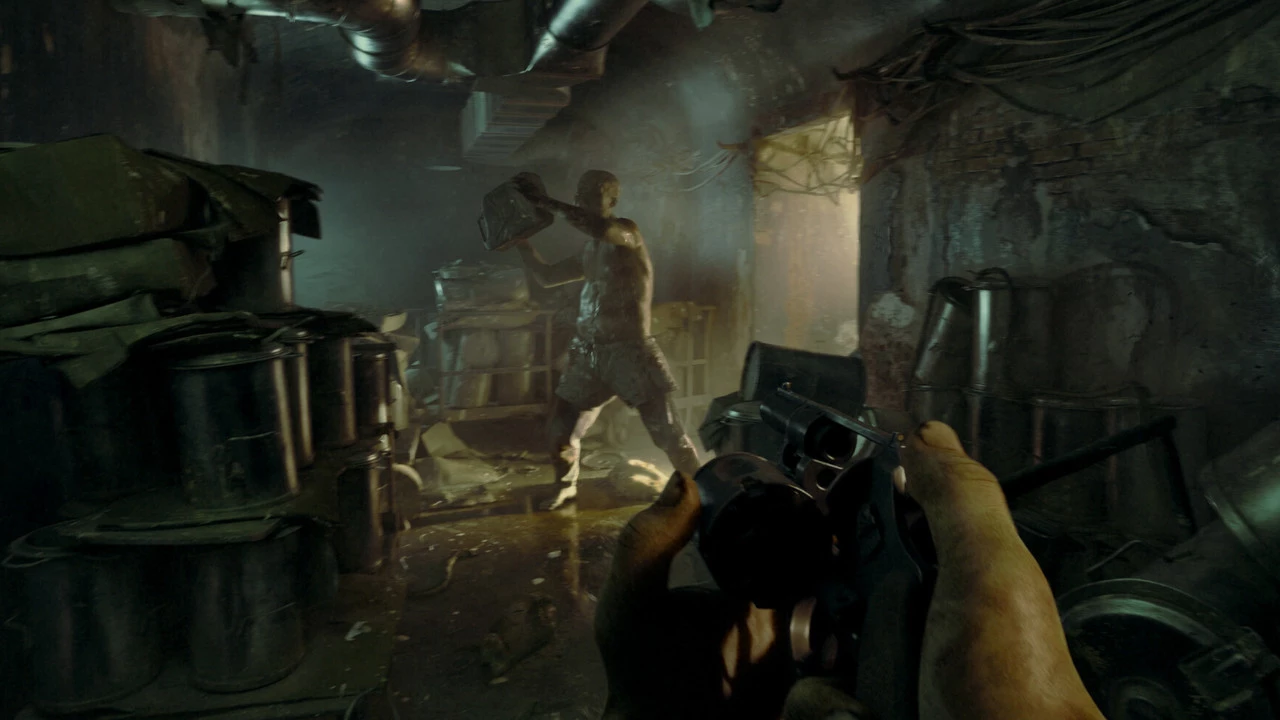
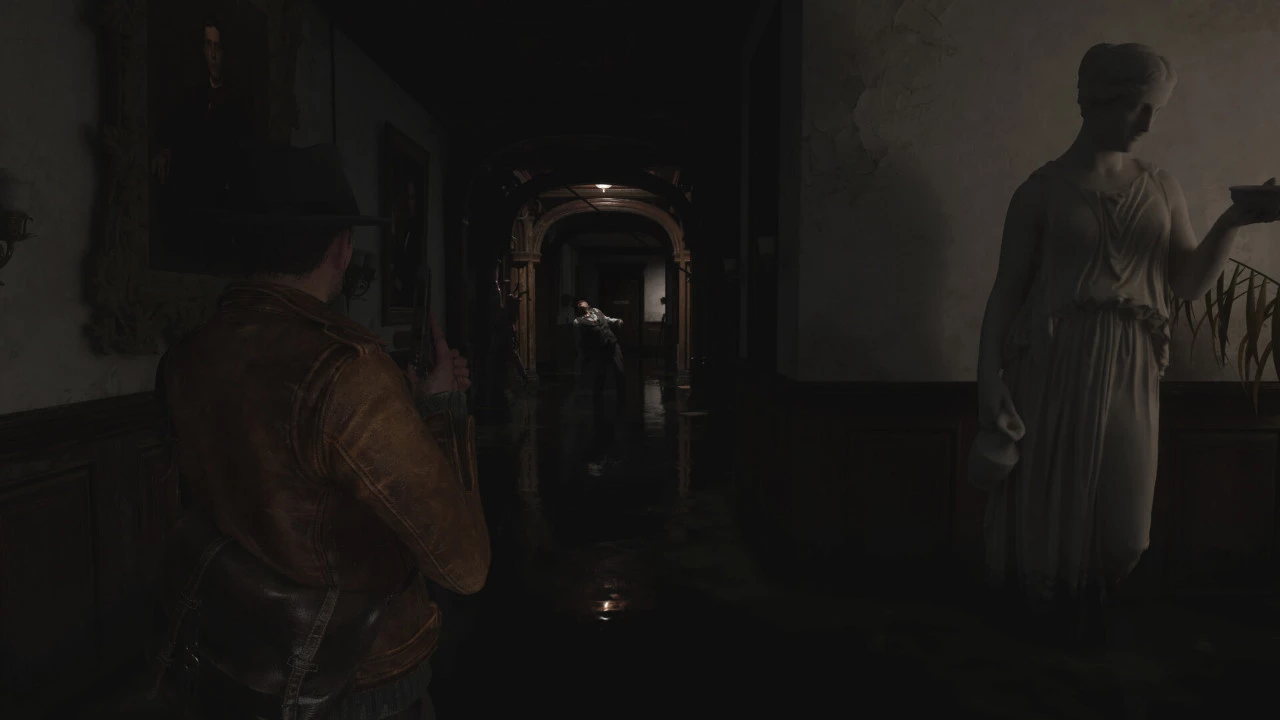
The highly anticipated horror sequel The Sinking City 2, developed by Ukrainian studio Frogwares, launched on August 18, 2026, but has encountered a notably underwhelming reception on Steam. The game has failed to surpass even 2,000 concurrent players at its peak, a figure that has raised eyebrows across the gaming industry and sparked heated discussions about the relationship between localization decisions and commercial success in the global gaming market.
The lackluster performance comes amid ongoing controversy surrounding Frogwares’ decision to exclude Russian language support from their latest title. This move, while politically motivated given the current geopolitical situation between Ukraine and Russia, appears to have significantly impacted the game’s potential audience reach. The Russian-speaking gaming community represents one of the largest markets on Steam, and the absence of native language support has seemingly deterred a substantial portion of potential players from purchasing the title.
Background on Frogwares and The Sinking City Franchise
Frogwares is a Ukrainian game development studio founded in 2000, best known for their Sherlock Holmes adventure game series and the original The Sinking City, which was released in 2019. The first installment in the series was a detective horror game set in a Lovecraftian open world, featuring a flooded city inspired by H.P. Lovecraft’s cosmic horror mythology. The original game received mixed reviews but cultivated a dedicated fanbase attracted to its unique atmosphere and investigative gameplay mechanics.
The studio has been vocal about their position regarding the ongoing conflict in Eastern Europe, and their decision to remove Russian language support from their games has been a consistent policy since 2022. While many have supported this stance as a form of protest and solidarity, others have criticized it as punishing ordinary consumers who have no involvement in political decisions. The gaming community remains deeply divided on whether such measures are appropriate or counterproductive.
Market Impact and Industry Analysis
The Steam platform data reveals a concerning trend for the sequel. With peak concurrent players failing to reach the 2,000 mark, The Sinking City 2 is performing significantly below expectations for a sequel to a reasonably successful franchise. Industry analysts point to multiple factors contributing to this disappointing launch, including the localization controversy, increased competition in the horror game market, and potentially insufficient marketing efforts leading up to release.
For context, successful horror games typically see much higher launch numbers on Steam. Titles in the genre regularly achieve tens of thousands of concurrent players during their opening weeks. The Sinking City 2’s numbers suggest either a very niche appeal or significant barriers to entry for interested players. The absence of Russian localization effectively closes off access to millions of potential customers who prefer playing games in their native language, particularly in a narrative-heavy detective horror experience where understanding dialogue and text is crucial to gameplay.
The Broader Debate on Politics in Gaming
This situation has reignited debates within the gaming community about the intersection of politics and entertainment. Supporters of Frogwares argue that companies have every right to make political statements through their business practices, especially when their home country is directly affected by conflict. They view the language exclusion as a legitimate form of cultural resistance and corporate activism that should be respected regardless of commercial consequences.
Critics, however, contend that such decisions ultimately harm innocent consumers while doing little to address the underlying political issues. They argue that Russian-speaking gamers include not only citizens of Russia but also millions of people across various countries who use Russian as a primary or secondary language. The collateral damage of such policies, they suggest, may outweigh any symbolic benefits while simultaneously damaging the studio’s financial viability and ability to create future games.
As the gaming industry continues to grapple with questions of political engagement and market accessibility, The Sinking City 2 serves as a notable case study in the potential commercial consequences of controversial localization decisions. Whether Frogwares will reconsider their approach for future titles or double down on their current stance remains to be seen, but the early sales figures suggest that the studio may face significant challenges in sustaining their operations without broader market appeal.
Expert Opinion: The case of The Sinking City 2 illustrates a growing tension in the global gaming market between political principles and commercial viability. While Frogwares’ stance is understandable given their circumstances, the economic reality suggests that mid-sized studios may struggle to survive without access to major language markets. Moving forward, we may see more nuanced approaches emerge, where studios find ways to maintain their political positions while still reaching broader audiences through third-party localization or regional publishing partnerships.