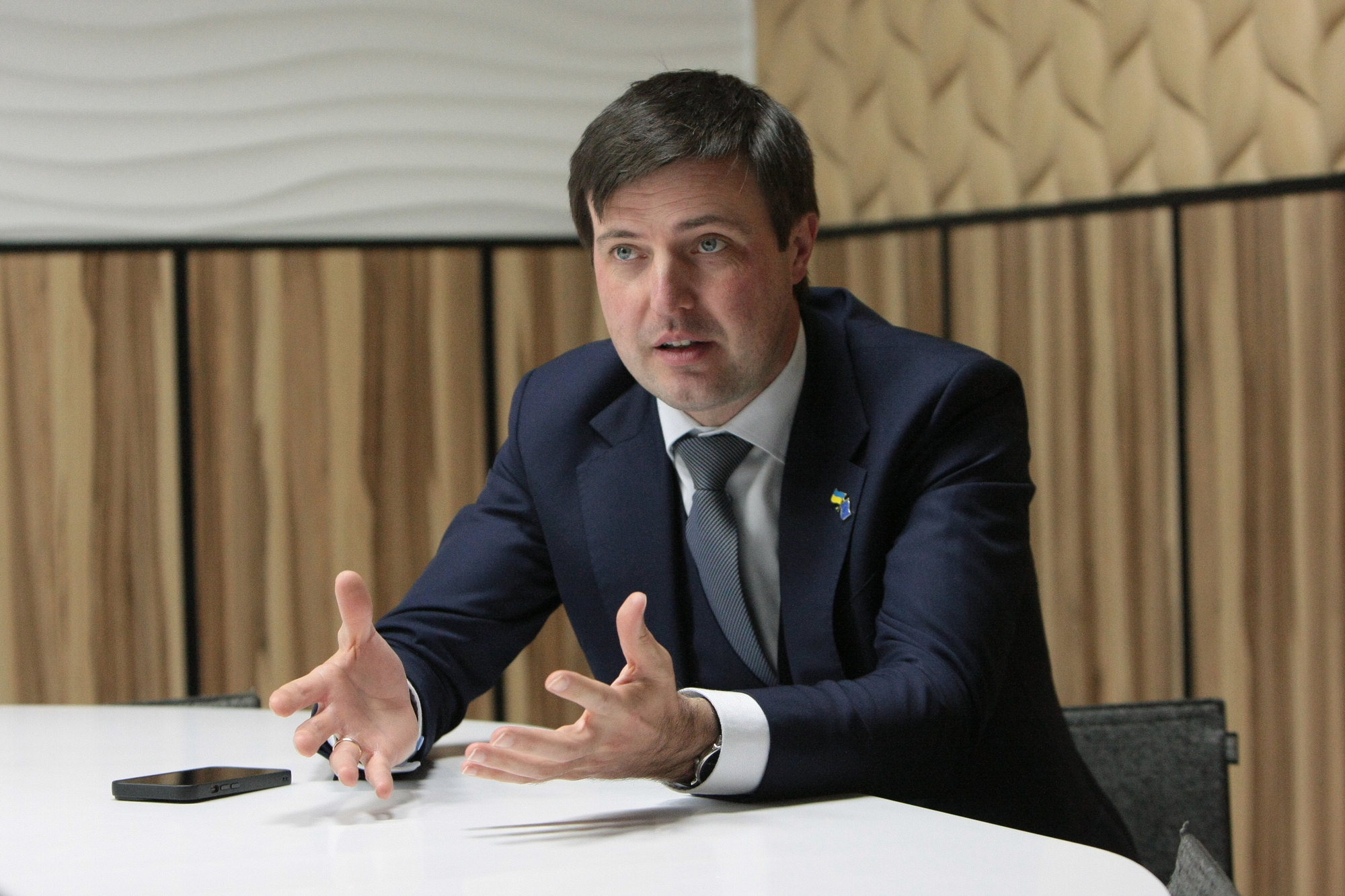
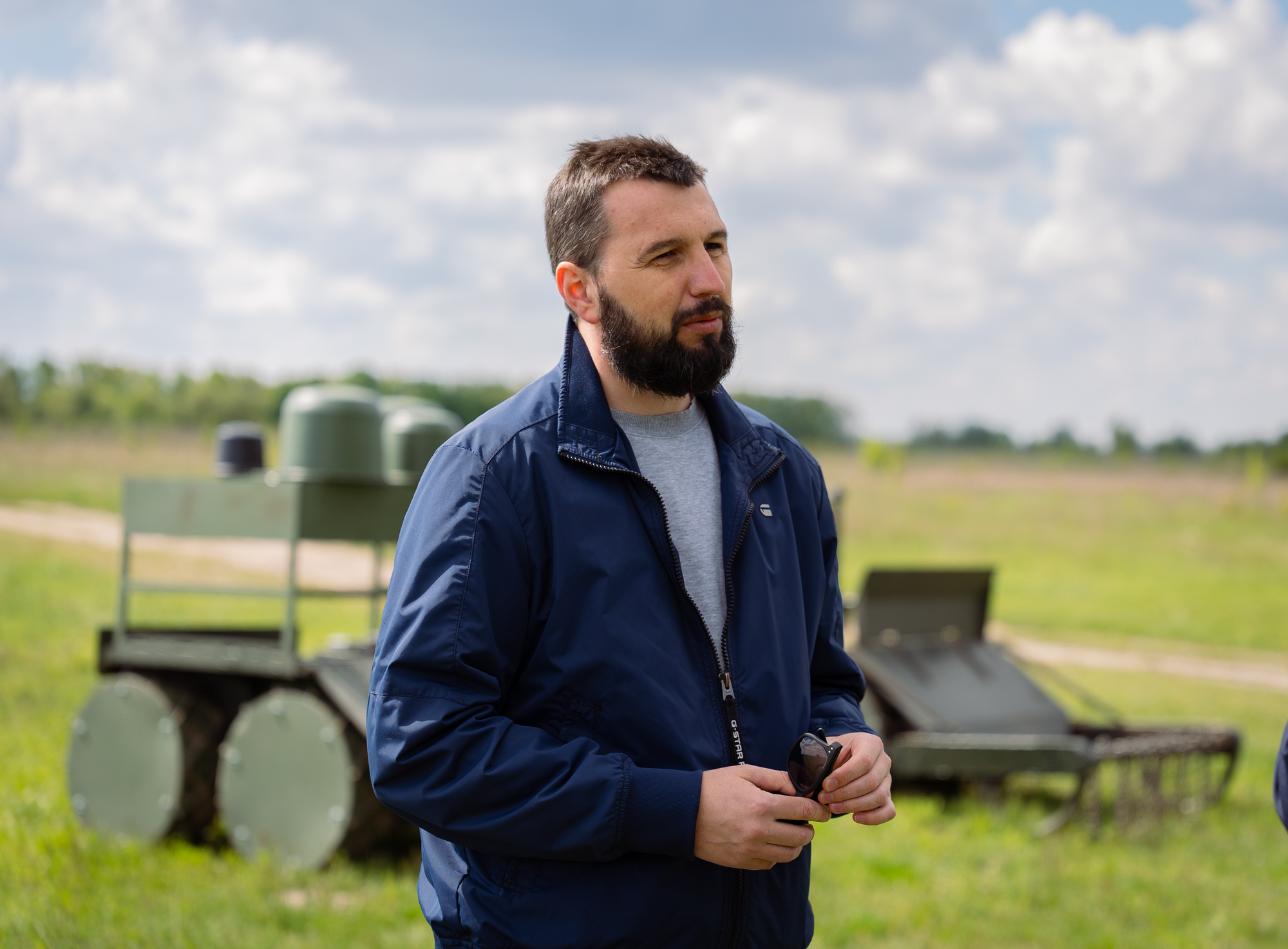
Ukraine faces one of the most severe landmine contamination crises in modern history, with vast territories rendered dangerous and unusable due to explosive remnants of war. In a revealing interview, Deputy Minister of Economy Ihor Bezkaravainyi has spoken candidly about the critical failures plaguing the country’s humanitarian demining efforts, pointing to systemic problems that have persisted for years despite the urgent need for action. His frank assessment highlights bureaucratic paralysis, non-functioning registries, and the emergence of dangerous “black market” demining operations that threaten both lives and Ukraine’s reconstruction prospects.
The scale of contamination is staggering. According to official estimates, approximately 174,000 square kilometers of Ukrainian territory — an area roughly equivalent to the entire country of Cambodia or nearly a quarter of Ukraine’s total landmass — may be contaminated with mines, unexploded ordnance, and other explosive remnants of war. This makes Ukraine one of the most heavily mined countries in the world, surpassing even long-affected nations like Afghanistan and Angola. The contamination spans agricultural land, residential areas, critical infrastructure, and natural resources, effectively paralyzing economic activity across significant portions of the country.
Registry Failures and Bureaucratic Gridlock
Perhaps most damaging to demining progress is the persistent failure of Ukraine’s demining registry system, which Bezkaravainyi describes as having been non-functional for years. The registry was designed to coordinate demining activities, track contaminated areas, certify cleared land, and ensure that operators meet safety and quality standards. Without a functioning registry, there is no reliable way to verify which territories have been safely cleared, creating dangerous uncertainty for farmers, construction workers, and returning residents. This bureaucratic failure has created a vacuum that undermines confidence in cleared areas and hampers reconstruction efforts.
The Deputy Minister points to a fundamental “lack of executive discipline” as the root cause of these failures. Despite clear mandates and international support, the responsible agencies have failed to implement necessary systems and processes. This paralysis extends beyond the registry to affect licensing, quality control, and coordination between government bodies and international demining organizations. The World Bank and various international donors have committed billions of dollars to Ukraine’s recovery, but without functional administrative systems, these funds cannot be effectively deployed for demining operations.
The Rise of Illegal “Black” Demining Operations
One of the most alarming consequences of official inaction has been the emergence of so-called “black” demining — unauthorized and unregulated clearance operations conducted outside official channels. Desperate farmers seeking to return their land to production, and unscrupulous operators looking to profit from the situation, have begun conducting their own clearance activities without proper training, equipment, or oversight. These operations pose extreme dangers to those involved and to future users of the land, as improperly cleared territories may still contain hidden explosives. The phenomenon reflects both the desperation of landowners and the failure of official mechanisms to meet urgent needs.
The economic stakes are enormous. Ukraine’s agricultural sector, traditionally accounting for over 40% of the country’s exports, depends heavily on access to arable land. Every hectare that remains contaminated represents lost production capacity and revenue. International estimates suggest that comprehensive demining could cost between $34 billion and $37 billion — a figure that will only grow as the conflict continues. Meanwhile, the agricultural losses from inaccessible land amount to billions annually, creating a cascading economic impact that affects everything from food prices to employment.
International Standards and the Path Forward
Ukraine has committed to international demining standards under the Ottawa Treaty and related frameworks, which require systematic surveying, marking, clearance, and certification of contaminated areas. However, implementing these standards requires functioning institutions, trained personnel, and coordinated action across multiple government agencies. The current fragmentation of responsibility between the Ministry of Economy, Ministry of Defense, State Emergency Service, and other bodies has created confusion and accountability gaps. International partners, including major demining organizations like HALO Trust and Danish Demining Group, have expressed frustration with bureaucratic obstacles that slow their operations.
Looking ahead, experts emphasize that Ukraine must urgently address its institutional failures before meaningful progress can occur. This includes finally activating the demining registry, establishing clear lines of authority, cracking down on illegal clearance operations, and creating streamlined processes for international cooperation. Without these reforms, billions in international aid cannot be effectively utilized, agricultural land will remain fallow, and the human toll of accidental explosions will continue to mount. The Deputy Minister’s candid assessment represents a crucial acknowledgment of problems that must be addressed if Ukraine is to recover from this unprecedented contamination crisis.
Expert Opinion: The Ukrainian government’s demining challenges reflect a broader pattern seen in post-conflict countries where institutional capacity struggles to match the scale of contamination. However, Ukraine’s unique position as a major agricultural exporter and recipient of unprecedented international support creates both urgency and opportunity. If administrative reforms are implemented within the next 12-18 months, Ukraine could potentially clear priority agricultural areas within a decade — but continued bureaucratic paralysis risks extending the crisis for generations and permanently damaging the country’s food production capacity.