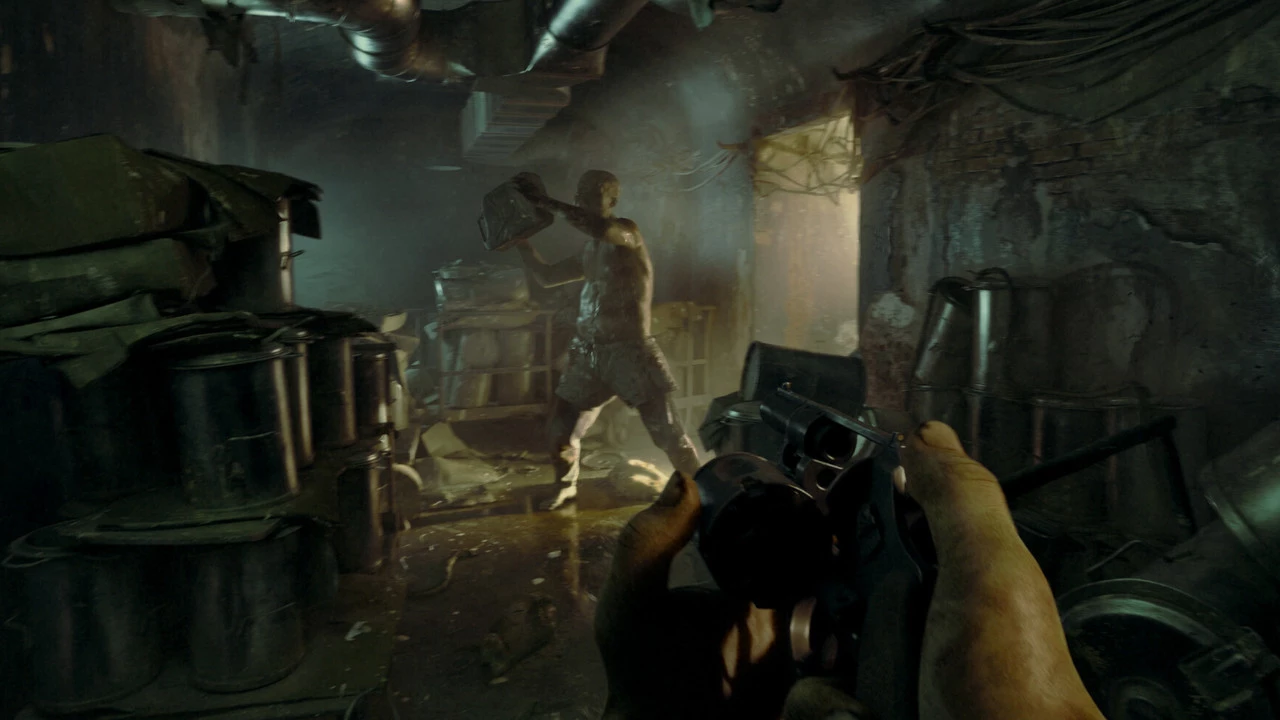
Russian game development studio Team Clout has released the third installment of their developer diary series for ILL, their highly anticipated dark action-horror title. This latest entry focuses entirely on the game’s audio design and soundtrack creation, offering fans an unprecedented look at how the team approaches sound in ways that deliberately break from traditional horror game conventions.
The developer diary reveals that Team Clout has made a conscious decision to avoid the typical audio clichés that have become synonymous with the horror genre. Rather than relying on predictable jump scare stings, repetitive ambient drones, and formulaic tension-building techniques, the studio is crafting an entirely original sonic landscape designed to unsettle players in more subtle and psychologically impactful ways.
Breaking Away from Horror Audio Traditions
The horror genre has long relied on established audio tropes that audiences have come to expect. From the screeching violins popularized by Alfred Hitchcock’s Psycho to the industrial soundscapes of Silent Hill, horror games and films have developed a recognizable sonic vocabulary. Team Clout’s approach represents a deliberate departure from these conventions, seeking to create discomfort through unexpected means rather than familiar patterns.
According to the developers, traditional horror audio often becomes predictable, allowing experienced players to anticipate scares based on musical cues alone. By rejecting these standards, ILL aims to keep players in a constant state of genuine uncertainty. The team has reportedly spent considerable time studying the psychology of fear and how sound frequencies affect human emotional responses, incorporating this research directly into their compositional process.
Technical Innovation in Sound Design
The developer diary also highlighted the technical aspects of ILL’s audio production. The team has employed a combination of live recorded sounds and synthesized elements, creating a hybrid approach that gives the game’s soundscape an organic yet otherworldly quality. Field recordings of unusual locations and objects have been processed and manipulated to create sounds that feel simultaneously familiar and deeply wrong.
This attention to audio detail reflects a broader industry trend toward more sophisticated sound design in video games. Major studios have increasingly recognized that audio plays a crucial role in player immersion, with titles like Hellblade: Senua’s Sacrifice and Resident Evil Village setting new standards for atmospheric sound. Team Clout appears determined to push these boundaries even further with ILL, treating sound not merely as accompaniment to visuals but as a core gameplay element.
Building Anticipation in the Horror Community
ILL has generated significant buzz within the gaming community since its initial reveal, with fans particularly impressed by the game’s disturbing visual style and realistic graphics. The title promises a visceral action-horror experience set in a nightmarish world, and these developer diaries have helped maintain interest while providing transparency about the creative process.
The horror gaming market has seen substantial growth in recent years, with both indie developers and major publishers investing heavily in the genre. Games like Amnesia, Outlast, and the Resident Evil remakes have demonstrated strong commercial potential, while experimental titles have pushed artistic boundaries. Team Clout’s emphasis on audio innovation positions ILL as a potential standout in this competitive landscape, appealing to horror enthusiasts seeking fresh experiences beyond conventional scares.
While no official release date has been announced, the continued development updates suggest the project is progressing steadily. The studio’s willingness to share detailed insights into their creative philosophy has fostered a dedicated community of followers eager to experience the final product firsthand.
Expert Opinion: Team Clout’s deliberate rejection of audio clichés represents a maturing approach to horror game design that could influence the broader genre. As players become increasingly sophisticated and resistant to traditional scare tactics, studios that invest in psychological innovation rather than formulaic techniques will likely define the next generation of truly effective horror experiences. ILL’s success could establish a new benchmark for audio-driven immersion in the genre.