
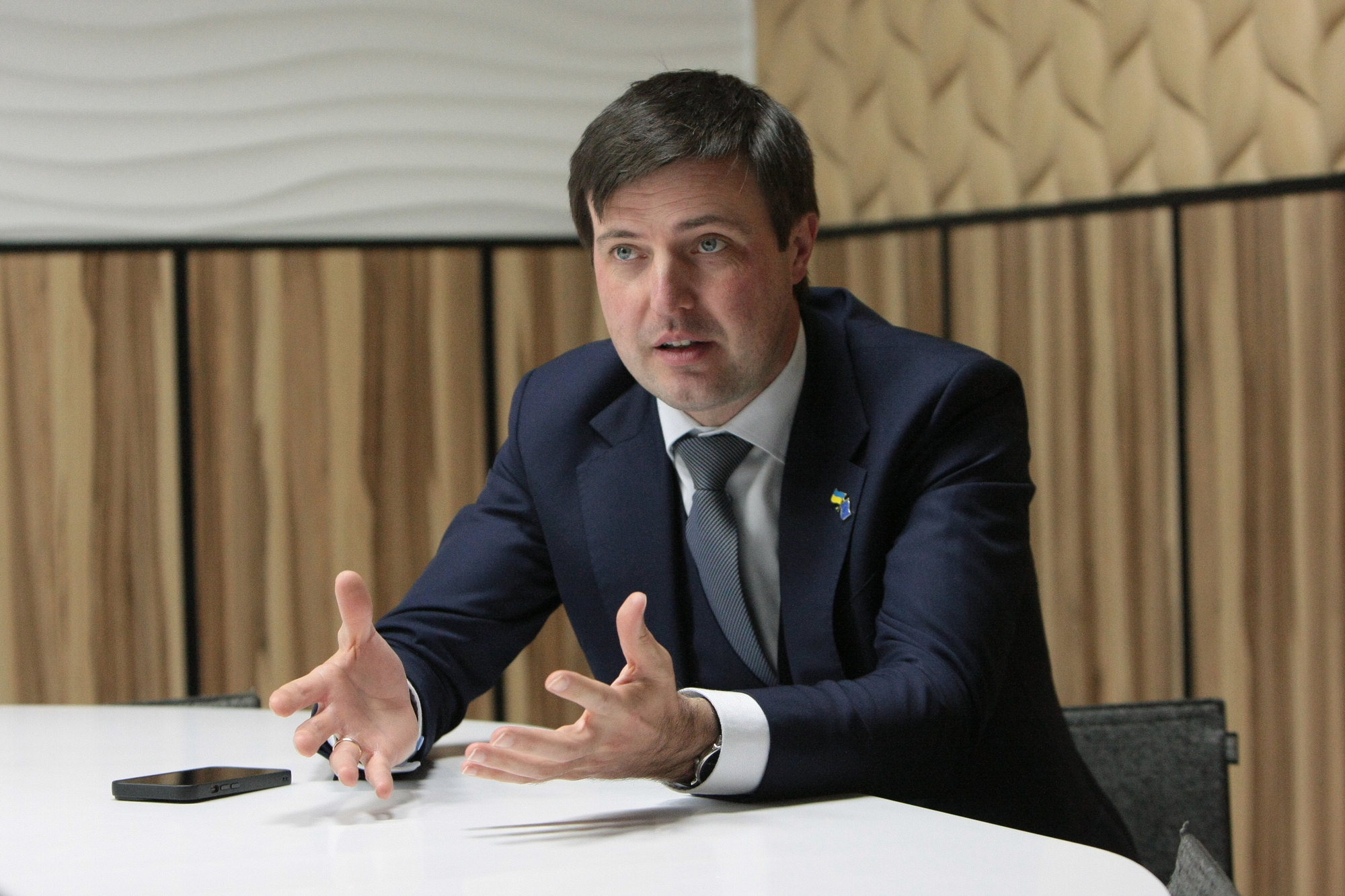
Ukraine’s agricultural sector, long considered the backbone of the nation’s economy, is facing an unprecedented crisis that threatens to push thousands of farmers into bankruptcy. In a recent interview, Minister of Agrarian Policy Taras Vysotskyi outlined an emergency rescue plan worth 80 billion hryvnias aimed at protecting Ukrainian farmers from financial collapse. The plan comes as the country grapples with severe logistical challenges following disruptions to Black Sea port operations, which have traditionally served as the primary export route for Ukrainian grain and other agricultural products.
The Scale of the Agricultural Crisis
The current crisis facing Ukrainian agriculture is multifaceted and deeply concerning. Since the disruption of traditional export routes through Black Sea ports, farmers have been forced to seek alternative pathways for their products, primarily through land routes via Poland and other European Union member states. This shift has not only increased transportation costs significantly but has also created diplomatic tensions with neighboring countries whose domestic farmers feel threatened by the influx of Ukrainian grain. The situation has been compounded by falling global commodity prices, rising input costs for seeds and fertilizers, and the ongoing challenges of operating agricultural businesses in a country at war.
According to industry estimates, Ukrainian farmers have seen their profit margins shrink dramatically over the past year. Storage facilities across the country are overflowing with grain that cannot reach international markets efficiently, forcing many producers to sell at significantly reduced prices or face the prospect of crop spoilage. The 80 billion hryvnia support package represents approximately 2 billion US dollars at current exchange rates, a substantial commitment that underscores the gravity of the situation. Minister Vysotskyi emphasized that without immediate intervention, a significant portion of Ukraine’s agricultural enterprises could face insolvency within the coming months.
Government Support Mechanisms and Implementation
The rescue package announced by the Ministry of Agrarian Policy encompasses several key components designed to provide both immediate relief and long-term stability for the sector. Central to the plan is a subsidized credit program that will allow farmers to access low-interest loans to cover operational expenses during this difficult period. Additionally, the government is implementing direct support payments for farmers who have been most severely affected by the port disruptions, calculated based on their historical export volumes and current financial circumstances.
Beyond direct financial assistance, the ministry is working to establish new export corridors and improve logistics infrastructure. This includes investments in railway capacity, negotiations with EU partners on transit arrangements, and the development of alternative port facilities on the Danube River. The government is also implementing insurance programs to protect farmers against future market volatility and exploring long-term storage solutions to prevent crop losses during periods of export bottlenecks. These measures reflect a comprehensive approach that addresses both the symptoms and underlying causes of the current crisis.
Diplomatic Tensions and the Polish Question
One of the most sensitive aspects of the current agricultural crisis involves relations with Poland and other neighboring EU countries. Polish farmers have staged numerous protests against the import of Ukrainian agricultural products, arguing that the influx has depressed local prices and threatened their livelihoods. Minister Vysotskyi addressed these concerns directly, seeking to find common ground while defending Ukrainian farmers’ need for market access. The diplomatic balancing act requires careful navigation, as Poland has been one of Ukraine’s strongest supporters since the beginning of the full-scale conflict, yet domestic political pressures have forced the Polish government to implement temporary restrictions on certain Ukrainian agricultural imports.
The minister’s reference to a “stop phrase” for Polish farmers suggests an attempt to de-escalate tensions through dialogue and mutual understanding. Ukrainian officials have emphasized that the current situation is temporary and that both countries share long-term interests in agricultural cooperation. Negotiations continue at both bilateral and EU levels to find solutions that address the legitimate concerns of farmers on both sides of the border while maintaining the strategic partnership between the two nations. The agricultural dispute has become a test case for how European solidarity can be maintained when economic interests diverge.
Expert Opinion: The 80 billion hryvnia rescue package represents a necessary but challenging intervention that will test Ukraine’s fiscal capacity during wartime. While the immediate measures may prevent widespread bankruptcies, the long-term sustainability of Ukrainian agriculture depends heavily on restoring Black Sea export routes and achieving a stable resolution with EU neighbors. Observers should watch closely how quickly these funds can be deployed and whether the diplomatic efforts with Poland can yield a durable framework for agricultural trade that benefits both nations.