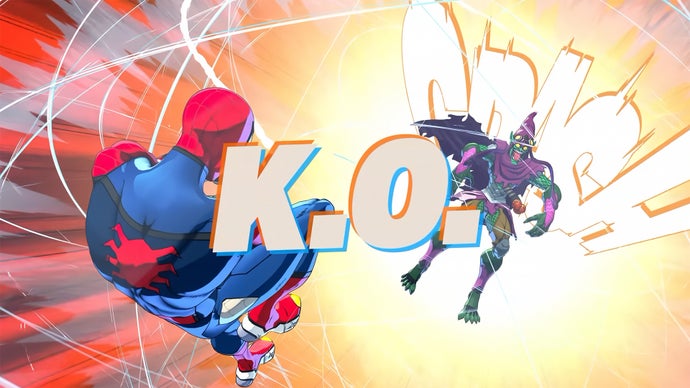
The release of Marvel Tōkon: Fighting Soul has reignited one of gaming’s most contentious debates: the effectiveness and consumer impact of Digital Rights Management (DRM) software. According to multiple reports from the gaming community, a newly released cracked version of the fighting game runs substantially smoother than Sony’s official PC port, which has faced widespread criticism since its launch. This development has once again put the spotlight on whether anti-piracy measures ultimately harm legitimate customers more than they deter piracy.
Marvel Tōkon: Fighting Soul, developed as a collaboration between Marvel and Japanese game studios, was positioned as an exciting new entry in the fighting game genre. However, its PC release quickly became mired in controversy when players reported significant performance issues, including stuttering, frame drops, and lengthy loading times. Many players pointed fingers at the game’s DRM implementation, specifically Denuvo, the industry’s most widely used anti-tamper technology. The cracked version, which removes these protection layers entirely, reportedly delivers a noticeably more stable and responsive gaming experience.
The Ongoing DRM Debate in Modern Gaming
Digital Rights Management has been a cornerstone of the video game industry’s anti-piracy strategy for over two decades. DRM systems are designed to prevent unauthorized copying and distribution of games, protecting publishers’ revenue streams. Denuvo, developed by Austrian company Denuvo Software Solutions, has become the most prominent solution since its introduction in 2014. Major publishers including Electronic Arts, Ubisoft, Square Enix, and Sony have implemented it across countless titles. However, the technology has consistently drawn criticism from players who argue it negatively impacts game performance and punishes legitimate purchasers.
The technical argument against DRM like Denuvo centers on how these systems constantly verify game authenticity during runtime. This continuous checking process consumes CPU resources that could otherwise be dedicated to actual gameplay. While Denuvo and publishers maintain that performance impact is negligible, numerous comparative tests over the years have suggested otherwise. Games like Resident Evil Village, Doom Eternal, and now Marvel Tōkon have all shown measurable performance improvements when DRM is removed, either through official patches or unauthorized cracks.
Sony’s Troubled History with PC Ports
This controversy arrives at a particularly sensitive time for Sony, which has been aggressively expanding its PC gaming presence in recent years. The company’s strategy of bringing former PlayStation exclusives to PC has been largely successful, with titles like God of War, Horizon Zero Dawn, and Spider-Man earning both critical acclaim and strong sales. However, some releases have been marred by technical issues at launch. The initial PC port of The Last of Us Part I faced similar criticism regarding performance problems, requiring multiple patches to reach an acceptable state. Marvel Tōkon’s troubles suggest that quality control for PC releases remains an inconsistent area for the publisher.
Industry analysts note that Sony’s PC gaming initiative represents a significant shift in strategy and a substantial revenue opportunity. The PC gaming market generated over $40 billion globally in 2024, making it impossible for major publishers to ignore. However, the expectation for technical excellence on PC is notably higher than on consoles, where standardized hardware simplifies optimization. PC gamers expect smooth performance across a wide range of hardware configurations, and patience for poor ports has worn thin after years of substandard releases from various publishers.
The Paradox of Anti-Piracy Measures
Perhaps the greatest irony in the Marvel Tōkon situation is that DRM’s primary purpose—preventing piracy—appears to have failed while simultaneously degrading the experience for paying customers. The game was cracked relatively quickly despite its protection measures, a pattern that has repeated countless times across the industry. Critics argue this creates a perverse situation where pirates enjoy a superior product compared to legitimate purchasers. This reality has led some publishers, including CD Projekt Red with its GOG platform, to release games entirely DRM-free, relying instead on goodwill and added value to encourage purchases.
Consumer advocacy groups and gaming communities have long called for publishers to reconsider their DRM strategies. Some suggest time-limited protection, where DRM is removed via patch after the critical initial sales window, as a reasonable compromise. Others advocate for complete abandonment of invasive anti-piracy measures. As Marvel Tōkon joins the growing list of games where cracked versions outperform official releases, pressure on publishers to address these concerns continues to mount. Whether Sony will respond with performance patches or acknowledge DRM’s role in the issues remains to be seen.
Expert Opinion: The Marvel Tōkon situation exemplifies a fundamental flaw in current anti-piracy strategy: DRM solutions like Denuvo create measurable friction for legitimate customers while providing only temporary barriers against determined crackers. As development costs rise and PC gaming audiences grow increasingly discerning, publishers face mounting pressure to either develop less intrusive protection methods or abandon DRM entirely. The industry may soon reach a tipping point where the reputational damage from poor-performing ports outweighs any theoretical piracy prevention benefits.